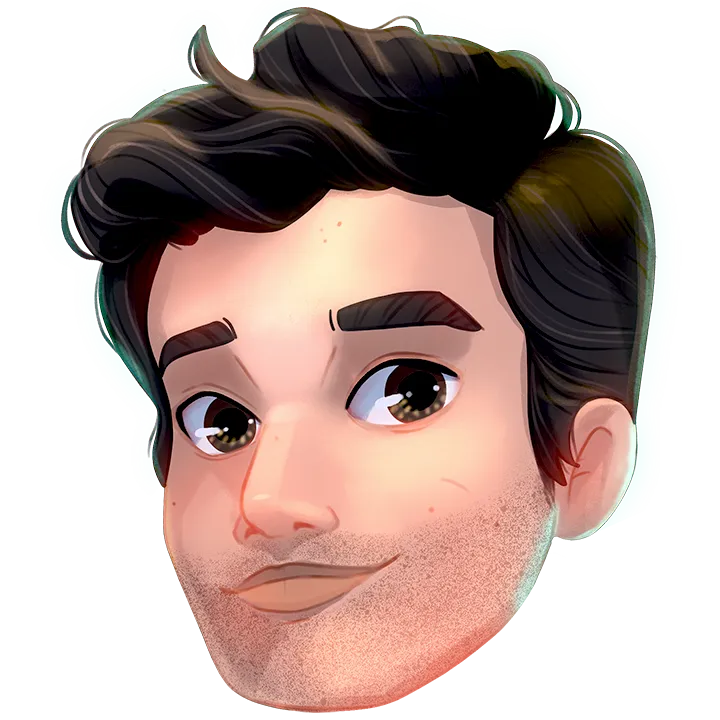
Pesudonymity is Personal
HBO is dropping a new documentary about virtual love, loss and unexpected connection in VR... filmed entirely in VR. "Making friends here is sometimes what saves people lives, or what gets them up out of bed in the morning," said one interviewee through their pseudonymous, virtual avatar.
The value of an avatar community goes so far beyond the "brand opportunity" or "fun and games" many professionals naively chalk virtual experiences up to.
For the millions who use avatar identities unironically and independent of branded end goals, it's far more personal:
"You can be who you always wanted to be... and, in a way, start over."
It's not complex—look no further than MMORPG's like Second Life, Runescape, ROBLOX and more to understand how 'virtual realities' are 'true realities' for power users of these gaming platforms:
Entire communities, economies, societies, and governance systems proliferate atop MMORPGs and, in turn, entire cultures grow.
Cultures built on the self-expression of pseudonymous avatar personalities.
In a normal state for MMORPG regulars, one's avatar is one's self.
Interpersonal connections in virtual reality are as important as interpersonal connections elsewhere—both online and IRL.
As more and more people personally identify with avatar identities, expect more entirely virtual media experiences, like HBO's "We Met in Virtual Reality", to infiltrate IRL culture.
Have you ever made a new friend online? If yes, then that's all you need to quickly, personally grasp why virtual worlds matter.